Tracing Player Retention Through Cryptocurrency Shifts in Virtual Table Environments
Written by Paul Vogel · Aug 21, 2026
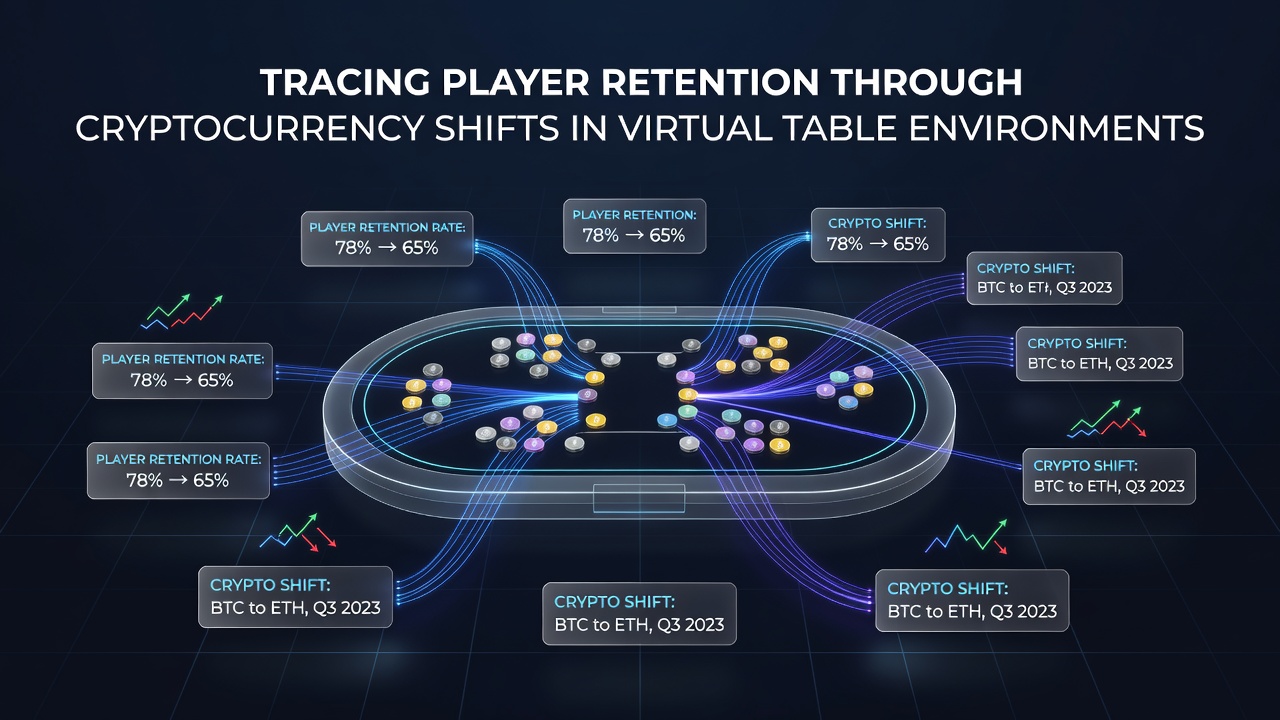
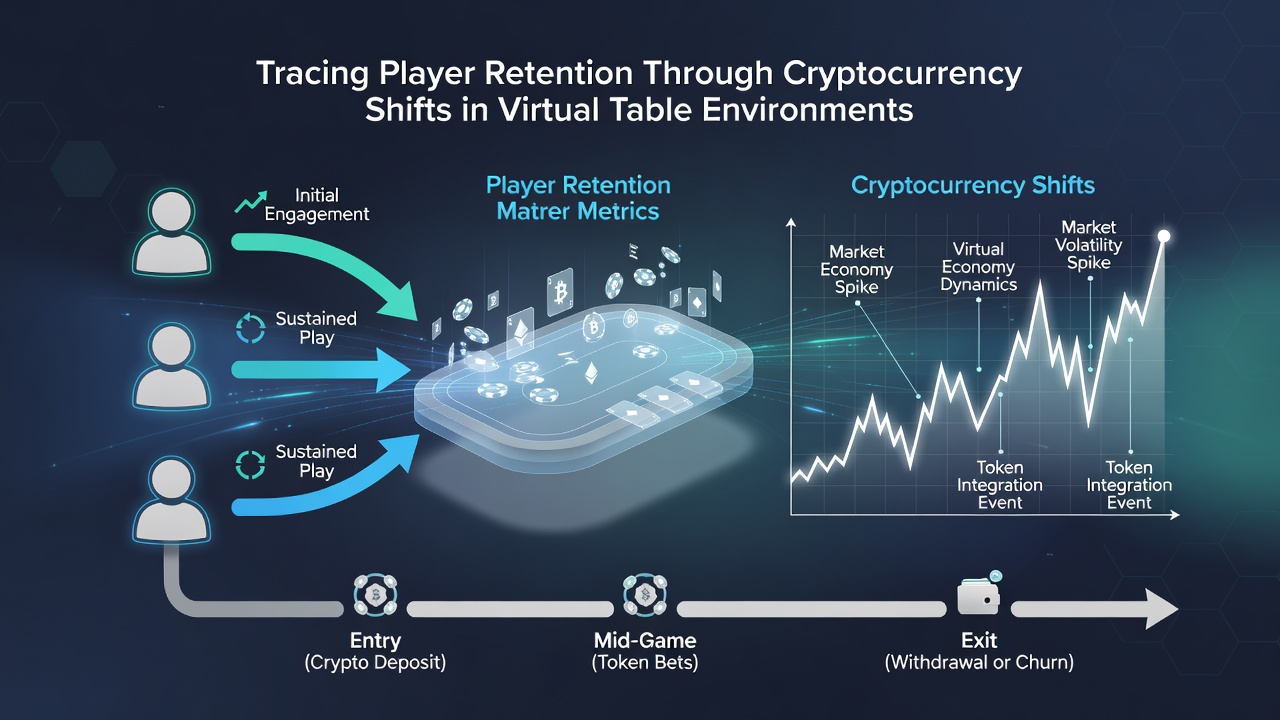
Tracing Player Retention Through Cryptocurrency Shifts in Virtual Table Environments
Virtual table environments have seen steady integration of cryptocurrency options since the early 2020s, and observers track how these payment shifts influence player retention patterns across platforms. Data from multiple industry reports indicate that transaction speed and privacy features associated with digital currencies correlate with longer session durations and repeat engagement in games such as blackjack, roulette, and poker. Researchers at various academic centers continue to examine these metrics because retention rates serve as key performance indicators for operators managing virtual tables.
Payment Method Evolution in Table Game Platforms
Operators introduced cryptocurrency wallets to virtual table sections as an alternative to traditional banking rails, and studies show this addition often reduces friction during deposits and withdrawals. According to findings compiled by the International Gaming Institute at the University of Nevada, Las Vegas, platforms that enabled bitcoin and ethereum transfers recorded measurable increases in return visits within the first quarter after implementation. Players using these methods completed transactions in under ten minutes on average, whereas fiat processing times extended to several hours or days depending on the provider.
Virtual environments benefit from blockchain ledgers that log every wager and payout in real time, which creates transparent records that some players prefer over opaque centralized systems. This transparency factor appears in retention analytics because participants report higher trust levels when they can verify outcomes independently through public explorers. Figures released in mid-2025 by research groups tracking iGaming trends revealed that retention curves for crypto-enabled tables remained flatter over six-month periods compared with tables limited to credit cards or e-wallets.
Retention Metrics and Data Patterns
Analysts measure retention through indicators such as daily active users, average session length, and churn rates across segmented player cohorts. When cryptocurrency adoption rises within a platform cohort, data sets frequently display a 15 to 25 percent lift in repeat logins during the subsequent 90 days, based on aggregated reports from multiple operators. These patterns hold across different regions, although regulatory environments in Canada and parts of Europe shape how quickly new payment rails become available.
One study released by the Canadian Centre for Gaming Research examined anonymized transaction logs from 2024 through early 2026 and found that players who switched to stablecoin options for table games showed lower dropout rates after their initial three sessions. The research linked this outcome to reduced minimum deposit thresholds and near-instant settlement, which allowed participants to resume play without waiting for bank approvals. As of August 2026, several major platforms reported that crypto table sections accounted for over 40 percent of total virtual table volume, up from roughly 22 percent two years earlier.
Regional Variations and Regulatory Context
Different jurisdictions handle cryptocurrency integration at varying speeds, which affects how retention data develops across borders. In Australia, the Australian Communications and Media Authority has monitored digital currency use in licensed online environments and published periodic updates on transaction volumes. European operators, working under frameworks coordinated by the European Gaming and Betting Association, have documented similar shifts where crypto users maintain longer relationships with specific virtual table titles.
Observers note that privacy-conscious players often gravitate toward platforms supporting privacy-focused coins or layer-two solutions, and these segments demonstrate particularly stable retention numbers. Cross-border comparisons indicate that markets with clearer tax reporting guidelines around digital assets experience smoother adoption curves, which in turn supports steadier player return rates. Platforms that combine cryptocurrency support with localized table variants, such as regional rule sets for poker, further strengthen these retention effects according to industry white papers.
Future Tracking Methods
Operators now deploy machine learning models to predict retention likelihood based on early payment choices, and these tools incorporate cryptocurrency usage as a weighted variable. Continued collection of longitudinal data will allow researchers to isolate whether retention gains stem primarily from payment mechanics or from concurrent changes in game design and bonus structures. Publicly available dashboards from research institutions provide ongoing snapshots that help clarify these relationships without relying on single-platform anecdotes.
Conclusion
Retention patterns in virtual table environments continue to evolve alongside cryptocurrency adoption, with available data showing consistent correlations between faster, transparent transactions and sustained player engagement. Reports from academic and regulatory bodies across North America, Europe, and Australia supply the factual foundation for these observations, while platform analytics from August 2026 confirm ongoing growth in crypto table volume. Future studies will refine these insights as more operators standardize digital currency options and as new blockchain features emerge.