Navigating Digital Currency Perks: How E-Wallets Reshape Loyalty Rewards for Table Game Fans
Written by Petra Schmitt · Aug 18, 2026
Navigating Digital Currency Perks: How E-Wallets Reshape Loyalty Rewards for Table Game Fans
Digital currencies and e-wallets have altered how loyalty programs operate for table game enthusiasts by streamlining transactions and enabling real-time reward tracking across multiple platforms. Research from the European Gaming and Betting Association shows that e-wallet adoption in regulated markets grew steadily through 2025, with many operators linking digital wallets directly to player accounts for seamless point accumulation during blackjack, roulette, and poker sessions.
Those who follow industry patterns note that table game fans often receive customized offers once their activity flows through e-wallets because transaction data arrives faster than traditional banking methods allow. Systems now convert play volume into tiered rewards without the delays that once separated deposits from bonus eligibility, and this shift became especially visible by August 2026 when several major operators updated their platforms to support multiple digital currencies in a single interface.
Transaction Speed and Reward Integration
E-wallets reduce the time between placing a bet and seeing loyalty points appear in an account, which matters for players who move between live dealer tables and virtual versions throughout an evening. Data from the Canadian Gaming Association indicates that platforms using integrated e-wallet solutions reported higher repeat engagement rates among table game users compared with those relying on slower payment rails, because points could be redeemed mid-session for table-specific perks like reduced rake or exclusive tournament entries.
Observers note that digital currency transfers also lower processing fees for operators, and some of those savings translate into enhanced reward pools that benefit frequent table game participants. When a player funds an account via an e-wallet that supports stablecoins or other cryptocurrencies, the system records the activity instantly and applies it toward loyalty tiers without batch processing waits that older methods required.
Personalized Offers for Table Game Players
Loyalty programs have evolved to recognize specific table game preferences once e-wallets provide granular spending data. A player who concentrates on European roulette might receive targeted multipliers on points earned during certain hours, while blackjack enthusiasts see offers tied to hand-volume milestones. These customizations rely on the detailed transaction logs that e-wallets generate, allowing operators to match rewards more precisely than batch-processed credit card statements ever permitted.
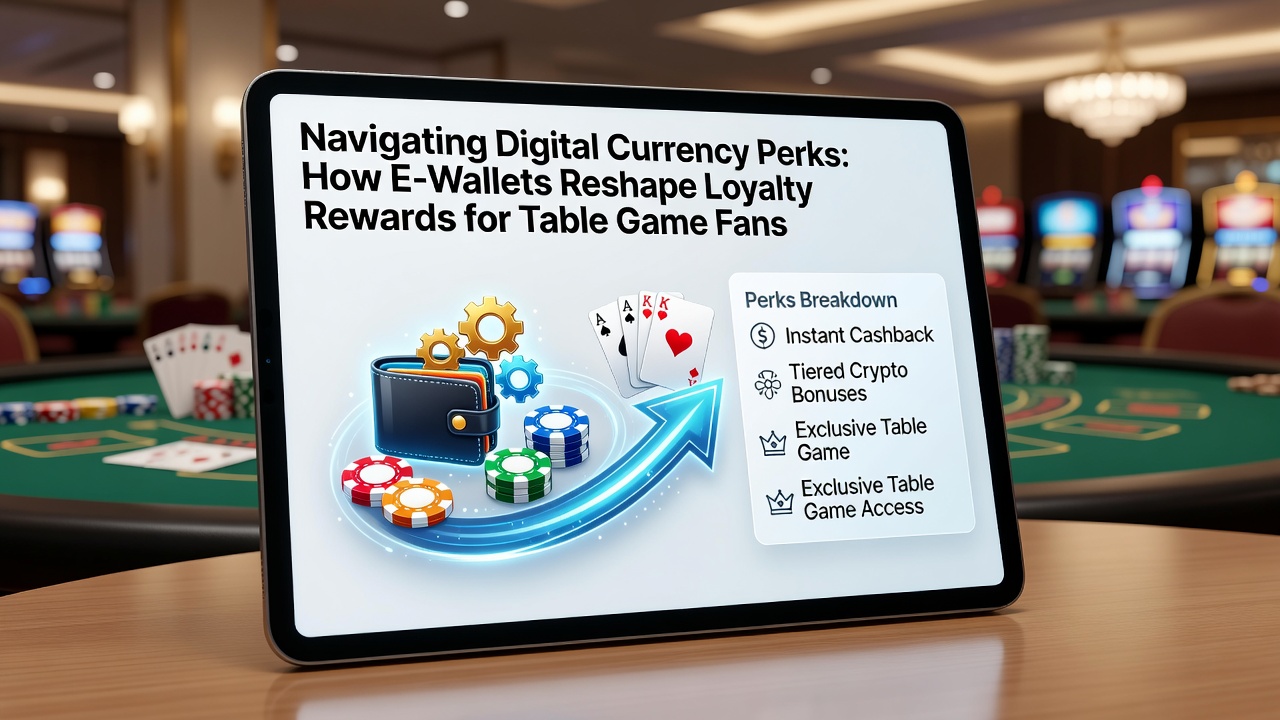
Studies compiled by the University of Nevada's International Gaming Institute reveal that loyalty redemption rates increased when programs connected directly to e-wallet histories, because users could view available perks immediately after each session. This visibility encourages continued play among table game fans who value quick access to comps such as dealer tip credits or private table access.
Security Features Supporting Reward Continuity
Digital wallets incorporate multi-factor authentication and transaction encryption that protect both funds and accumulated loyalty data. When a player switches devices or travels across borders, the same e-wallet account maintains reward history without requiring manual transfers that risk point loss. Regulated operators in multiple jurisdictions now require this level of continuity to keep loyalty programs compliant with player protection standards.
Those monitoring payment trends report that e-wallets supporting biometric verification have reduced account disputes related to reward calculations, since every transaction carries a verifiable timestamp and amount. Table game fans who value uninterrupted progress toward higher tiers benefit from this reliability, particularly when participating in time-limited promotions that run during peak evening hours.
Regional Variations in E-Wallet Loyalty Models
European markets have adopted e-wallet-linked loyalty schemes more rapidly than some North American regions, according to comparative data released in mid-2026. In Canada, certain provinces permit operators to combine provincial lottery systems with private e-wallet rewards for table games, creating hybrid programs that award both cashback and merchandise points. Australian regulators have examined similar models, focusing on how digital currency flows affect responsible gambling limits tied to loyalty accounts.
Operators adjust reward structures based on local rules, yet the underlying technology remains consistent: e-wallets feed real-time data into centralized loyalty engines that calculate points across table game variants. This consistency allows traveling players to maintain progress regardless of which licensed platform they choose.
Future Adjustments Expected After August 2026
Platform updates scheduled after August 2026 aim to expand e-wallet compatibility with emerging central bank digital currencies while preserving existing loyalty frameworks. Industry reports suggest these changes will further shorten the interval between table game activity and reward availability, potentially allowing instant point transfers between different casino ecosystems that share the same wallet provider.
Table game enthusiasts who already use multiple digital wallets may soon see consolidated dashboards that aggregate points from various operators, provided regulatory approval continues. Such developments build on the infrastructure already in place rather than replacing it.
Conclusion
E-wallets have integrated digital currency mechanics into loyalty systems for table game fans by accelerating transaction recording, enabling granular personalization, and strengthening security around reward data. The changes observed through August 2026 reflect ongoing adaptation rather than sudden overhaul, with operators refining programs to match the speed and transparency that digital wallets provide. As more regions align their regulations with these payment methods, loyalty structures will likely continue evolving around the same core capabilities that currently connect play volume directly to player benefits.