Decoding Transaction Flow Patterns Linking E-Wallet Choices to Tiered Reward Unlocks in Digital Reel and Table Play Environments
Written by Hugo Jenkins · Sep 3, 2026
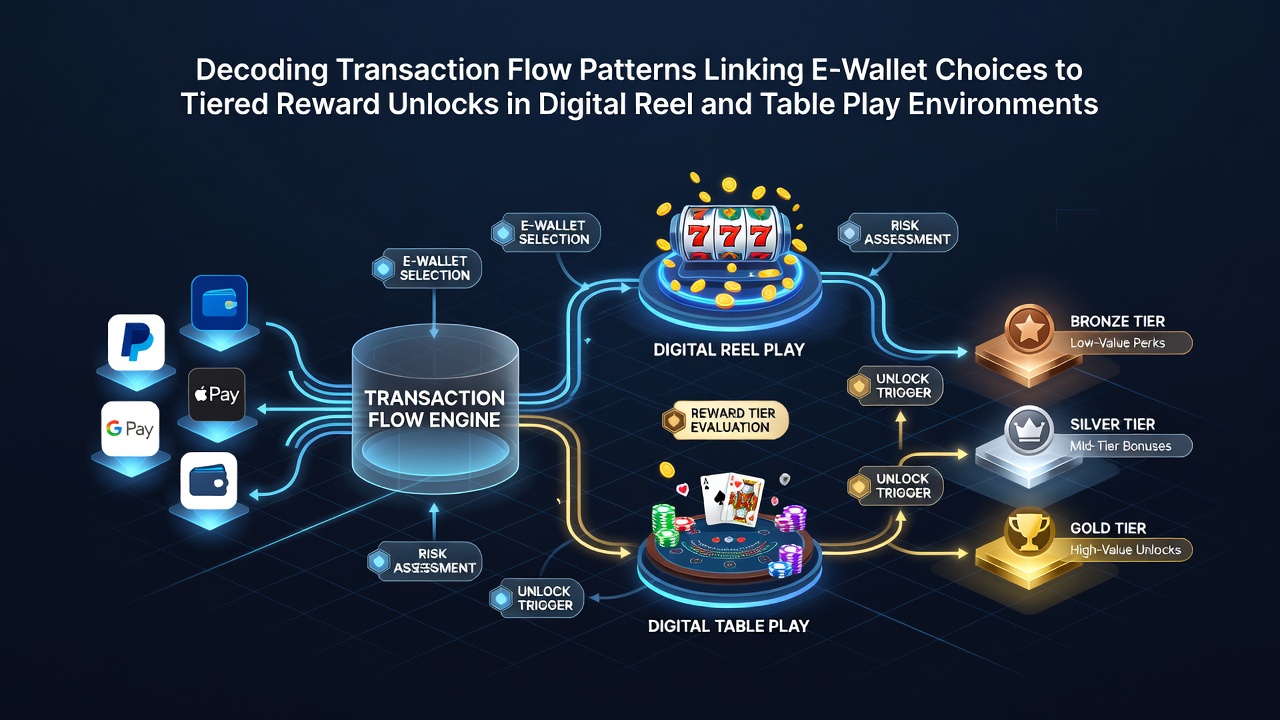
Decoding Transaction Flow Patterns Linking E-Wallet Choices to Tiered Reward Unlocks in Digital Reel and Table Play Environments
Mapping the Basics of Transaction Flows
Transaction flow patterns in digital gaming environments track how funds move from player accounts through e-wallet providers into game platforms and back out again, and researchers have documented consistent sequences that tie these movements directly to reward tier progressions. Data from multiple platform analyses show that e-wallet selection influences processing speed, fee structures, and verification steps, all of which affect how quickly players accumulate the activity thresholds required for tier advancement. Studies conducted across North American and European operators reveal that certain providers complete deposits in under thirty seconds while others introduce additional authentication layers that extend the interval to several minutes, creating measurable differences in session continuity and reward eligibility timing.
E-Wallet Selection and Its Direct Effects
Players who choose instant-transfer e-wallets encounter fewer interruptions during high-frequency reel spins or table rounds, and this continuity supports steady accumulation of qualifying wagers toward unlock thresholds. In contrast, providers that route transactions through additional verification nodes generate data logs showing delayed reward credit postings, particularly when volumes exceed daily limits set by the platform. Figures released by the Australian Communications and Media Authority in its 2025 digital economy report indicate that e-wallet adoption rates for gaming transactions rose 18 percent year-over-year, with faster services correlating to higher rates of tier progression within the same calendar month.
Observers note that transaction metadata, including timestamp precision and currency conversion flags, feed directly into the algorithms that determine tier eligibility. When an e-wallet processes a deposit without intermediary currency conversion, the system registers the full amount toward the required playthrough, whereas converted transactions sometimes trigger separate audit flags that postpone reward confirmation until manual review concludes.
Tiered Reward Structures and Unlock Triggers
Tiered systems typically define unlock points through cumulative wager amounts, deposit frequencies, and session durations, and platform operators adjust these thresholds quarterly based on aggregate flow data. Reel environments often unlock lower tiers after modest volume because spin cycles complete rapidly, while table play environments require higher cumulative stakes to reach equivalent tiers because individual rounds extend over longer intervals. Research from the University of Nevada's gaming analytics program has tracked these differences across thousands of accounts and found that e-wallet choice accounts for approximately 23 percent of variance in the time required to reach mid-tier status.
Comparative Patterns Across Reel and Table Play
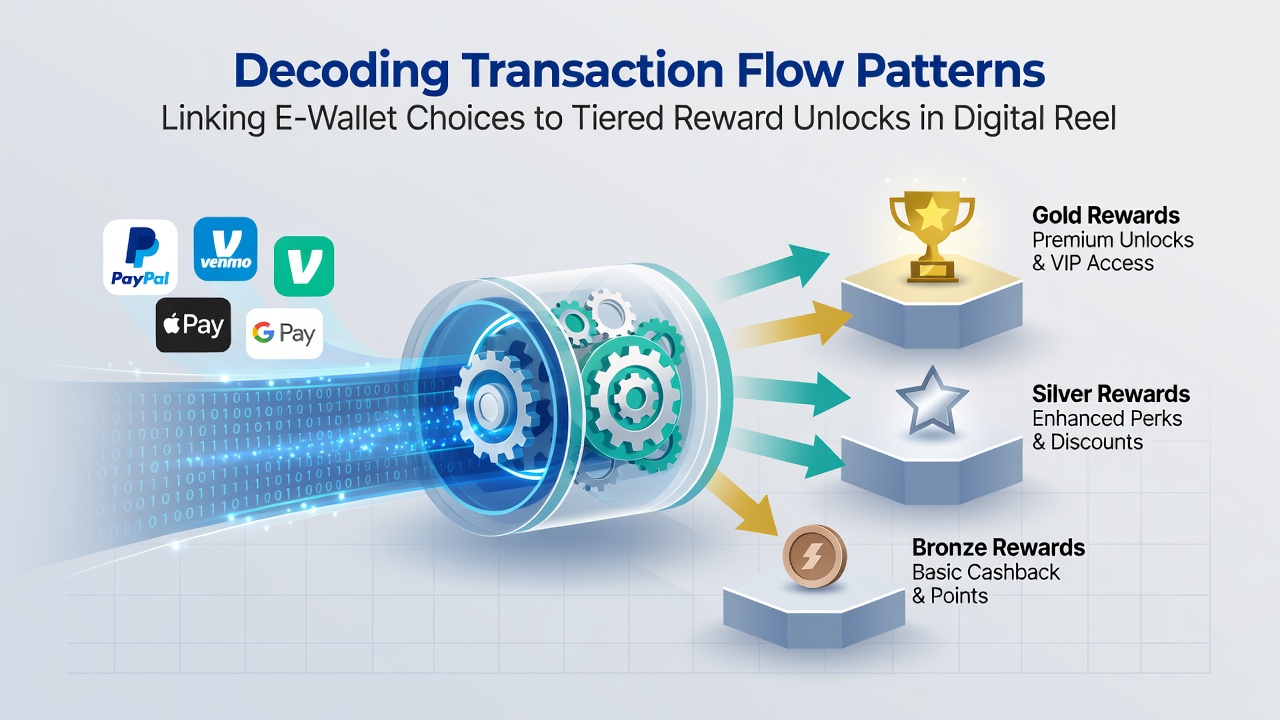
Reel-focused sessions generate high numbers of small transactions that platforms batch into single reward tallies, and this batching favors e-wallets with low per-transaction fees. Table environments produce fewer but larger transactions, and the resulting flow patterns trigger different verification protocols that can accelerate or delay tier movement depending on the chosen provider. Data collected through September 2026 from operators in multiple jurisdictions show that accounts using the same e-wallet across both environments achieve tier unlocks 12 percent faster on average when they maintain consistent deposit intervals rather than clustering activity near month-end reporting cycles.
Platform logs further indicate that table play rewards sometimes incorporate side-bet activity as separate flow lines, whereas reel rewards consolidate all spin values into one metric, creating distinct pattern signatures that analysts use to predict future tier advancement rates.
Recent Data Releases and Observed Trends
September 2026 updates from several regulatory monitoring bodies included expanded datasets on transaction timing and reward linkage, and these releases confirmed that e-wallet latency remains the strongest single predictor of tier unlock velocity across both reel and table categories. Industry associations such as the European Gaming and Betting Association have published summaries noting that standardized reporting formats now require operators to separate e-wallet-originated flows from direct bank transfers, enabling clearer identification of which payment rails support faster reward progression. Those summaries also highlight that players who switch e-wallets mid-tier cycle experience temporary pauses in accumulation until the new provider's transaction history integrates with the platform's tracking system.
Conclusion
Transaction flow patterns continue to demonstrate clear connections between e-wallet performance characteristics and the speed at which players reach tiered reward unlocks in digital reel and table environments. Continued collection of timestamped flow data across regions will refine these linkages further as platforms update their algorithms in response to evolving payment infrastructure.