Charting Bonus Evolution: How Loyalty Programs Adapt to Cryptocurrency Integrations in Virtual Card Gaming
Written by Paul Vogel · Aug 23, 2026
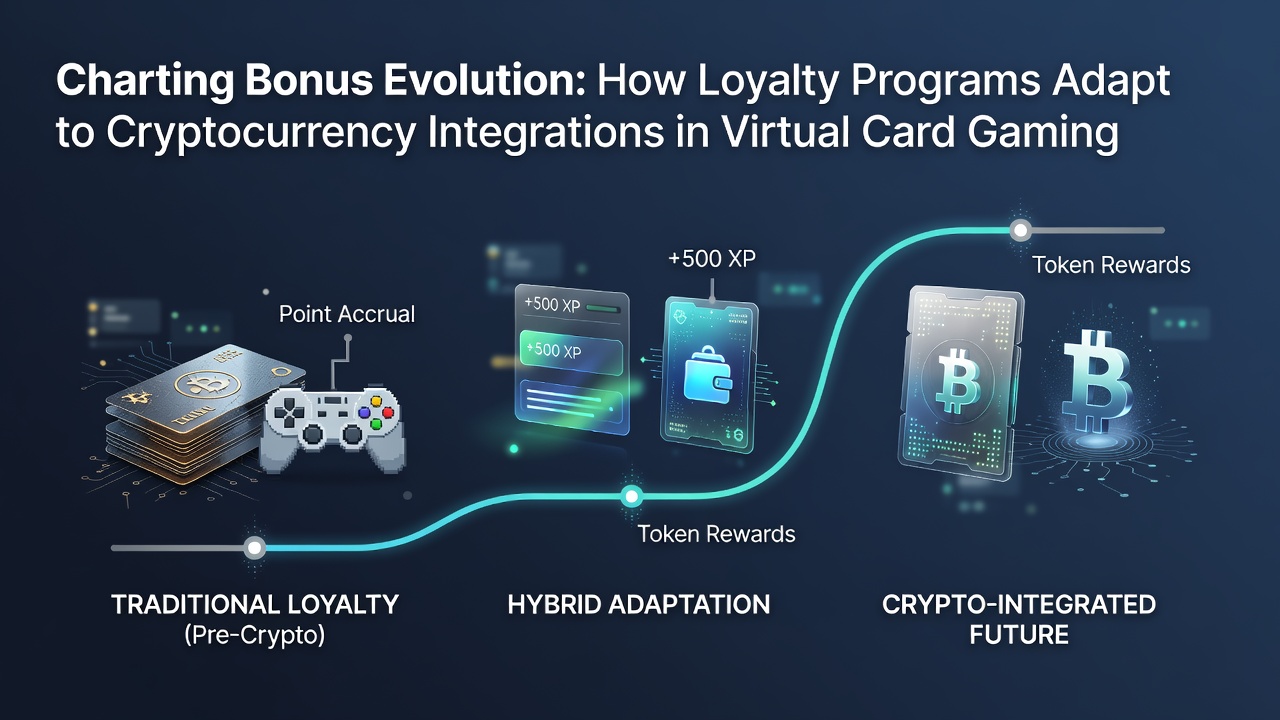
Charting Bonus Evolution: How Loyalty Programs Adapt to Cryptocurrency Integrations in Virtual Card Gaming
Virtual card gaming platforms have tracked steady growth in cryptocurrency adoption since the early 2020s, and loyalty programs now reflect those shifts through updated reward mechanics that accommodate digital asset transactions. Operators track player activity on blockchain ledgers, which allows for precise recording of deposits, wagers, and redemptions without traditional banking intermediaries, while tiered systems assign points based on transaction volume rather than fiat equivalents alone.
Traditional Structures Meet New Transaction Methods
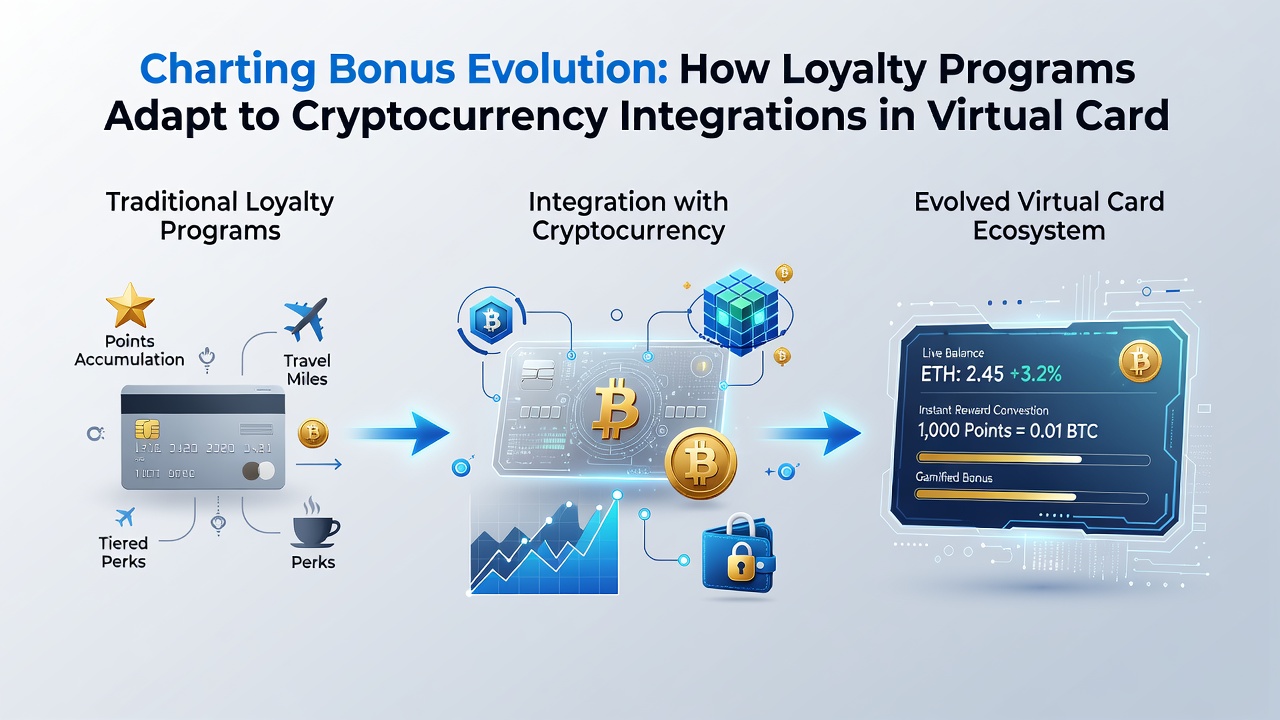
Loyalty frameworks originally built around deposit matches, cashback percentages, and tiered VIP levels required recalibration once crypto entered the mix, and many programs now convert cryptocurrency values into loyalty units at real-time exchange rates. This adjustment maintains consistency across users who deposit in bitcoin, ethereum, or stablecoins, and it prevents fluctuations in asset prices from distorting reward calculations. Research from the International Center for Gaming Regulation at the University of Nevada, Las Vegas shows that platforms integrating multiple cryptocurrencies reported higher retention rates among users who favored digital wallets over card or bank transfers.
Virtual card environments, which include online blackjack, poker, and baccarat tables, present distinct challenges because rounds occur rapidly and session lengths vary. Loyalty engines therefore process micro-transactions in crypto more frequently than in fiat systems, and developers added automated triggers that award bonus credits immediately after confirmed blockchain settlements. Those who study these systems note that latency dropped significantly once operators moved from batch processing to on-chain verification.
Technical Adjustments in August 2026
By August 2026 several major platforms had rolled out loyalty modules that embed smart contracts for bonus distribution, and these contracts release rewards only after predefined wagering conditions are verified on the ledger. The approach reduces disputes because every step remains auditable, and players receive transparent histories of how points accumulated or expired. Industry reports indicate that such contract-based systems cut administrative overhead by roughly thirty percent compared with earlier manual review processes.
Stablecoin usage gained particular traction during this period because its value stability allowed loyalty programs to offer fixed-percentage rewards without hedging against volatility. Data compiled by the Canadian Gaming Association reveals that stablecoin deposits accounted for forty-two percent of all cryptocurrency volume on participating sites in the first half of 2026, prompting operators to create dedicated tiers that grant extra multipliers for consistent stablecoin activity.
Regional Regulatory Influences on Program Design
Regulatory frameworks in different jurisdictions shaped how loyalty adaptations unfolded, and operators serving multiple markets maintained separate rule sets to remain compliant. In Ontario, for example, iGaming Ontario guidelines require clear separation between promotional funds and player balances, which led platforms to isolate crypto bonus wallets within their systems. Similar requirements appear in Australian state regulations, where point expiration policies must be disclosed in advance, and this prompted some programs to introduce grace periods tied to on-chain activity rather than calendar dates.
Those who monitor cross-border operations observe that platforms often default to the strictest applicable standard to simplify global compliance, and this practice produced standardized disclosure templates that list crypto-specific terms such as network fee coverage and conversion timing. The result is a more uniform player experience even when underlying wallet providers differ.
Emerging Reward Categories
New categories of loyalty benefits have surfaced alongside crypto integration, including network-fee reimbursements, staking yield shares on certain tokens, and NFT-based achievement badges that unlock exclusive table limits. These additions sit alongside conventional cashback and reload offers, yet they require separate tracking mechanisms because their value derives from external markets or smart-contract yields rather than direct platform revenue.
One study published by the Gambling Research Exchange Ontario examined player cohorts across six months in 2025 and 2026, finding that participants who engaged with staking-linked rewards maintained higher average session counts than those limited to traditional bonuses. The figures suggest that diversified reward types can sustain engagement when integrated carefully with existing point systems.
Conclusion
Loyalty programs in virtual card gaming continue to evolve as cryptocurrency integrations mature, and the adaptations center on real-time valuation, on-chain verification, and region-specific compliance layers. Data from multiple regulatory and academic sources confirm that these changes have altered how rewards are calculated, distributed, and audited without altering the core objective of encouraging continued play. As platforms refine these mechanisms through 2026 and beyond, the focus remains on maintaining transparent, auditable systems that accommodate both established and emerging digital asset types.